How It Works
From Research to Installation — How the Process Works
Getting a home elevator is a bigger decision than most home improvements, but the process itself is straightforward once you know the steps. This page walks you through the entire journey — from your first question to the day the elevator is running — so nothing catches you off guard.
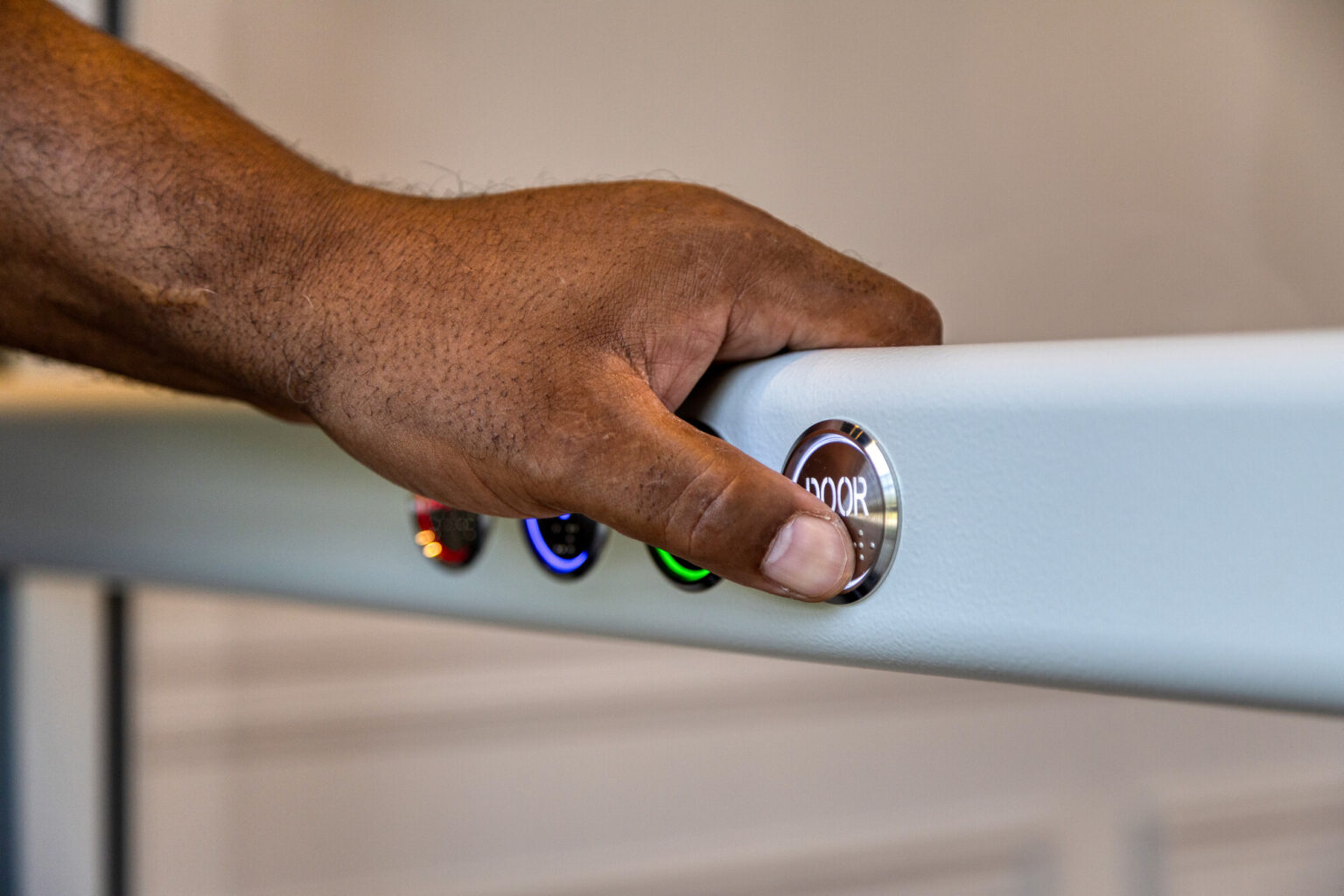
The five stages
Research your options
Start by understanding the types of home elevators available (hydraulic, pneumatic, shaftless, traction, chain-driven) and which ones fit your home layout, budget, and capacity needs. Our Elevator Guide and Cost & Pricing pages are designed for exactly this stage.
Talk to a real person
When you have questions — or when you are ready to move past reading — pick up the phone or schedule a consultation. We will walk through your specific situation: home type, number of floors, budget range, timeline, and any concerns. This call is free, no-pressure, and usually takes 15 to 20 minutes.
Get matched with a qualified installer
Based on your location, home type, and the elevator type that makes the most sense, we connect you with a vetted local installer. They will schedule a site visit — usually free — to assess your home in person and provide a written, itemized quote.
Installation
Once you choose an installer and sign the agreement, the project moves into construction. The installer handles permitting, structural prep, electrical work, and the elevator installation itself. Most residential installations take 2 to 8 weeks from start to finish, depending on the type and whether your home needs structural modifications.
Ongoing support and maintenance
After installation, your elevator needs annual service — typically one visit per year for inspection, lubrication, and safety checks. Most installers offer service contracts in the $200 to $500/year range. Your installer should also provide training on daily operation, emergency procedures, and basic troubleshooting.
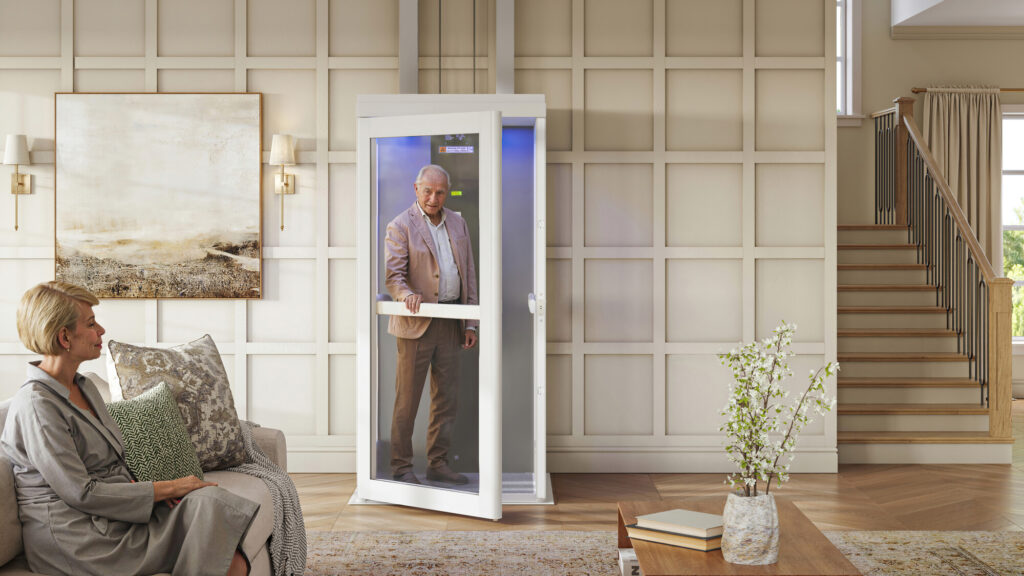
See what a home elevator actually looks like
Modern residential elevators blend into your home’s architecture. Glass cabs, custom finishes, and compact footprints mean the elevator complements your space rather than dominating it.
What to expect at each stage
Before you call
- You can research entirely on your own — no registration required
- No one will contact you unless you reach out first
- Every guide on this site is free and ungated
During your consultation
- A real person answers — no phone tree, no chatbot
- We listen first, then share what we know
- If a home elevator is not the right fit, we will say so
- No follow-up calls unless you ask for them
After installation
- Your installer provides training on daily use and emergencies
- Annual service keeps the elevator safe and reliable
- We are still available if you have questions down the road
Ready to start the conversation?
Call us or schedule a time. We’ll help you figure out where you are in the process and what to do next.
Common questions about the process
How long does the entire process take from first call to working elevator?
For most homes, 8 to 16 weeks from signed agreement to a working elevator. The biggest variables are permit timelines (which vary by jurisdiction) and whether your home needs structural modifications like a shaft or pit. Simple shaftless installs can be done in as little as 2 to 3 weeks.
Do I need to be home during installation?
Not for every hour, but you should be available for the initial site prep walkthrough and the final training/commissioning day. Most installers coordinate a schedule that minimizes disruption to your daily routine.
Will installation damage my home?
A qualified installer minimizes disruption, but some construction is unavoidable — especially for shaft-based elevators that require floor openings and framing. Shaftless and pneumatic elevators involve significantly less construction. Your installer should spell out exactly what work is needed before you sign anything.
What if I am not sure which elevator type I need?
That is exactly what the consultation call is for. Most homeowners start with a general sense of what they want and refine it through conversation. We help you narrow the options based on your home, your budget, and how you plan to use the elevator.
Is there a cost for the initial consultation?
No. The phone consultation with Home Elevator Hub is free. The site visit from a local installer is also typically free, though some installers in certain markets may charge a nominal fee that is credited toward the project if you proceed.
Still not sure which solution fits your home?
Answer a few simple questions and get a personalized recommendation, along with a realistic price range. It takes about 60 seconds.
Take the Quiz